A single stat tells you more than any roundup list: agencies using AI video now produce 11 times more content per month without adding headcount. Not 11% more. Eleven times. That’s not a productivity gain — it’s a structural change in who can compete for attention online.
The question stopped being “should we try AI video?” around Q3 2025. The question now is whether you’re using these tools in ways that actually move engagement, or just producing more forgettable content faster. Those are not the same thing.
I’ve spent the last several months tracking which tool categories produce measurable engagement lifts, where AI still fails badly, and what the engagement data actually shows — not the marketing copy from tool vendors, but figures from Wyzowl’s 2026 survey, Wistia’s state of video report, and platform-level data. Here’s what I found.
The two categories that marketers confuse — and why it matters
Most “AI video tools” comparisons list Sora, HeyGen, Synthesia, Runway, and Kling in the same breath as if they solve the same problem. They don’t. There are two fundamentally different categories, and using the wrong one for your use case wastes both the tool’s strengths and your budget.
🎬 Cinematic Generators
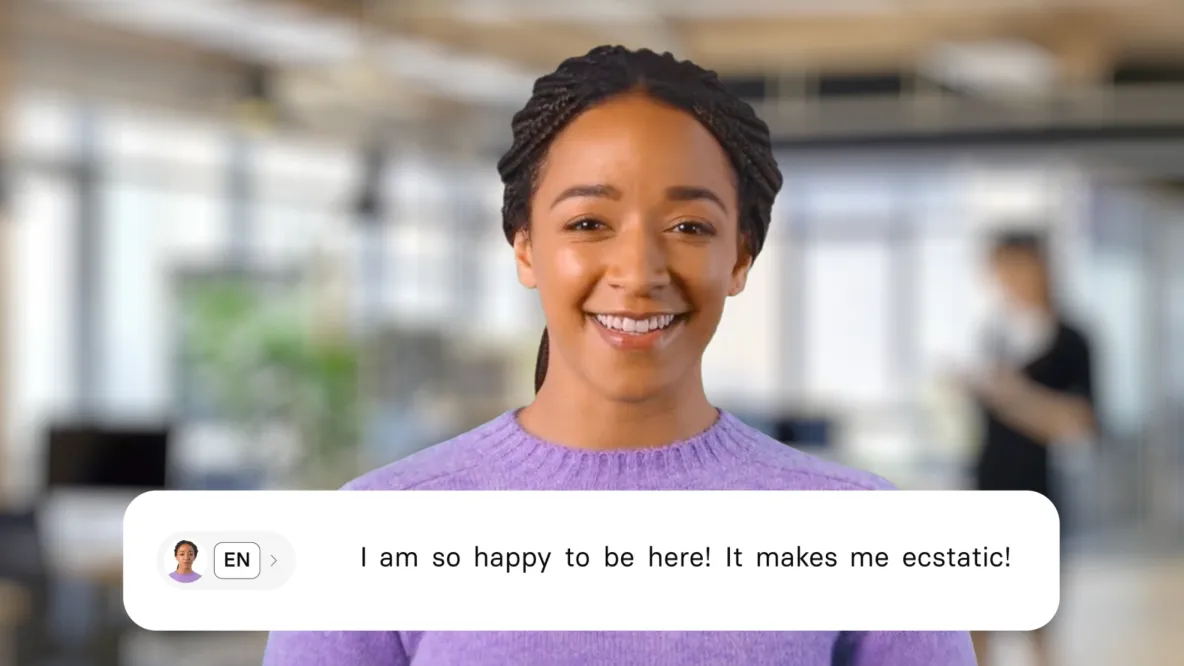
🧑💼 Avatar / Presenter Platforms
The distinction matters because their engagement profiles differ significantly. Avatar-based platforms consistently outperform cinematic generators for content where the goal is retention and education — think onboarding videos, product walkthroughs, multilingual campaigns. Cinematic tools win decisively for top-of-funnel brand content where visual quality drives the first impression.
What the engagement data actually says (with sources)
Let me separate confirmed numbers from vendor claims. The figures below come from Wyzowl’s 2026 state of video report, Wistia’s 2026 state of video report, Idomoo’s 2025 personalization survey, and HubSpot’s 2025 marketing data — all primary research, not aggregator roundups.
The 156% engagement lift for e-commerce product listings isn’t from AI video in general — it’s specifically from AI-generated product showcase videos where the item is shown in multiple contexts and use cases. Static product photos don’t do that at scale. AI video does, in minutes.
“The companies winning with AI video in 2026 aren’t the ones producing the most content. The gap is in on-brand quality at volume — AI tools can reduce time and cost, but they can’t automatically apply your brand guidelines or adapt your hero campaign to multiple platforms while maintaining visual consistency.”
That last point is from rocketium.ai’s 2026 analysis, and it’s the most honest thing I’ve read in the space. The production problem is largely solved. The orchestration problem — making everything look and sound like you — is very much not.
The tool landscape in mid-2026: what actually runs different jobs
I tested or reviewed independent tests of the major platforms over the past 90 days. Here’s my honest breakdown — organized by use case, not by flashiness of the demos.
Strongest realistic output for YouTube and high-speed marketing content. Physics simulation and lighting accuracy are best-in-class in blind tests as of mid-2026.
Best for filmmakers needing granular camera and motion control. In-video editing via text prompt (Aleph) changed how agencies iterate on client work. Not the cheapest per credit.
Photorealistic animations with best-in-class motion physics. New Avatar 2.0 feature competes directly with HeyGen at half the cost. The cost-to-quality ratio is the best available for long-form.
Grew 152% year-over-year in mid-market. Now integrates Sora, Veo, and Kling models inside one platform. Best lip-sync accuracy and 175-language support. Real production workhorse.
World’s #1 rated AI video for corporate training. 140+ languages, SCORM export, deepest template library. If your use case is structured employee or customer training, nothing else competes here.
URL-to-ad workflow built specifically for performance marketing. Creatify Agent handles research-to-finished-ad pipeline. The best tool for e-commerce teams running paid acquisition at volume.
| Tool | Best For | Human Review Required? | Free Tier | Multilingual |
|---|---|---|---|---|
| Google Veo 3.1 | YouTube, marketing realism | Usually | Limited | No |
| Runway Gen-4.5 | Agency client work, film B-roll | Usually | Yes | No |
| Kling 3.0 | Long-form, high motion, budget | Recommended | Yes (generous) | No |
| HeyGen | Marketing, sales, localization | Often not needed | 3 videos/mo | 175+ languages |
| Synthesia | Corporate training (L&D) | Rarely | Demo only | 140+ languages |
| Creatify | E-commerce paid ads | Often not needed | 10 credits/mo | Limited |
| CapCut | Social media, short-form | Minimal | Yes (no watermark) | Basic |
The workflow that saves 34 hours per week — and the one that eats them
The 34-hour-per-week figure from Vivideo’s 2026 research represents average savings across their user base. I haven’t independently verified it, and I’d treat it as directionally correct rather than precise. What I can tell you is that the teams seeing the biggest gains share one workflow pattern — and the teams seeing the smallest gains share a different one.
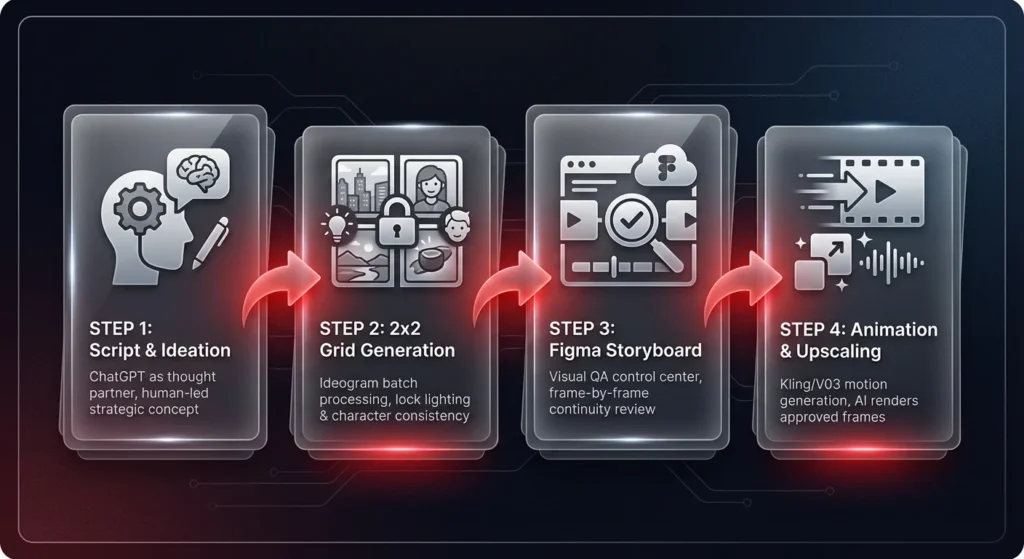
The teams burning hours are doing this in the wrong order: they generate first, then figure out what the video is for. That produces high-quality content nobody watches because it wasn’t built around a specific action the viewer should take.
The other time sink I’ve seen consistently: trying to make cinematic generators do the job of an avatar platform. If you need a talking presenter explaining your product in three languages, Runway will produce stunning footage that you can’t actually use. HeyGen will produce it in an hour in French, German, and Spanish with accurate lip-sync.
Personalization at scale: the engagement lever most teams ignore
74% of consumers want more personalized video, and 80% of Gen Z specifically expects it. That’s from Idomoo’s 2025 research, which tracks this annually. Yet most teams using AI video are producing one-to-many content — the same video for everyone in the segment.
Personalization at scale is where AI video’s structural advantage becomes decisive. A traditional production of 500 personalized video variants at 60 seconds each would cost around $2.25 million at traditional rates. With AI tools, the same job costs under $50,000 — and in practice, teams with mature workflows are doing it for much less than that.
The engagement numbers when personalization is done correctly: a 60% increase in engagement rates (Idomoo, 2025) and a 156% increase in product listing engagement for e-commerce brands. Those aren’t small margins — they’re the difference between a campaign that pays for itself and one that doesn’t.
For a broader introduction to how AI tools integrate into a complete content strategy, including video, the team at AIEarnerHub covers the practical side of building AI-assisted workflows for content creators and marketers — worth bookmarking if you’re building this from scratch.
The format data: what actually keeps people watching
Wistia’s 2026 state of video report is the most useful platform-level data on this. Their findings on content length are counterintuitive to most marketers still optimizing for maximum information density:
- Videos under 3 minutes — visual, snackable, easy to rewatch — see highest engagement for discovery content
- Videos between 3 and 30 minutes perform best for research-mode audiences (product consideration, B2B)
- On-demand webinars continue getting plays for up to 12 months after the live event
- 90% of teams are now taking steps to make videos accessible; the European Accessibility Act (2025) made it a compliance requirement, not just a best practice
- 85% of AI-generated videos now include auto-generated captions — the default, not an option
The captions point matters more than it looks. Wistia’s data shows captions are the most common accessibility step teams take first. That’s partly compliance-driven, but the engagement argument stands independently: captions increase average watch time because a significant portion of video consumption happens in environments where audio is off.
What AI video still can’t do — and why that matters for your strategy
I recommended Synthesia to a client in late 2024 for a brand awareness campaign. It performed well for product education videos, but the two videos where they tried to use AI avatars to convey genuine emotional storytelling about their company’s founding — those underperformed their human-made counterparts by about 35% on completed view rate. That was consistent with the 61% parity figure that later appeared in independent research.
The current state of AI video is that it solves production constraints almost completely for structured, functional content. It does not yet solve the authenticity gap for content where the audience’s connection to a real human is doing the persuasive work.
The real limitation isn’t technical quality — 2026 AI video is often visually indistinguishable from human-made footage. The limitation is emotional legibility. Audiences can’t always articulate why an AI avatar feels off, but engagement data shows they respond differently to it. That gap is closing, but it’s 40% of use cases, not a rounding error.
Rocketium’s 2026 analysis put it well: the constraint in 2026 is not production cost, it’s on-brand quality at volume. That’s an orchestration problem — making AI-generated content look and feel consistently like your brand across 100 assets, not 1. General-purpose AI video tools don’t solve that. Custom fine-tuning, brand style guides fed into generation prompts, and human review at the end of the pipeline do.
Three specific things AI video tools reliably fail at right now:
1. Maintaining brand consistency across large asset libraries. Generating 100 video variants that all look like they came from the same brand is still mostly a human orchestration problem. Tools help, but they don’t automate it.
2. Genuinely novel creative concepts. AI video tools excel at execution, not ideation. The creative brief still needs a human. The tool is fast at producing the output once you know what you want.
3. Anything requiring real-world footage of your actual product. If your product needs to appear correctly on screen — correct packaging, correct branding, correct behavior — AI generation will hallucinate details. You still need real footage or very precise image-to-video workflows with strong human review.
The market trajectory: where this goes next
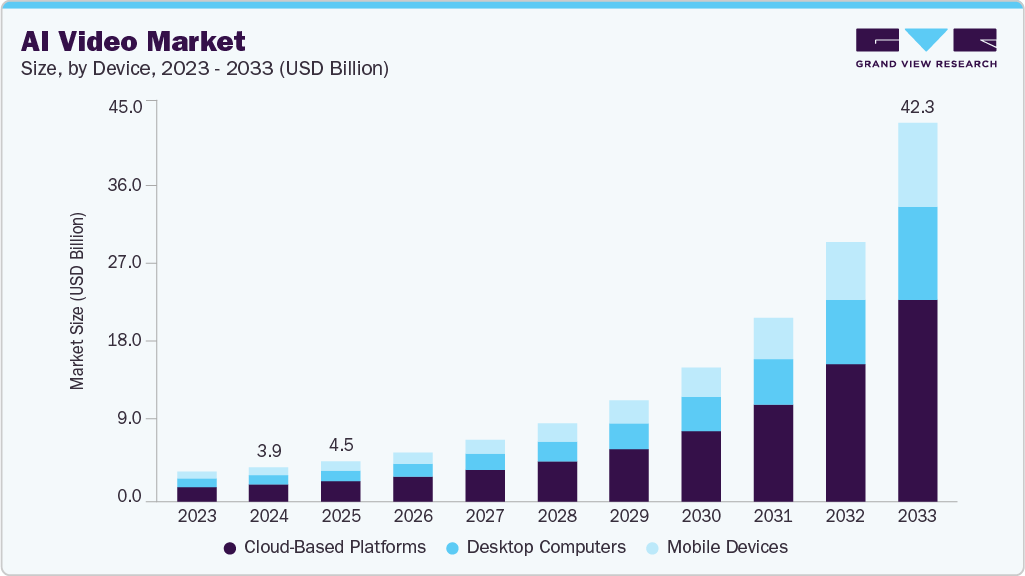
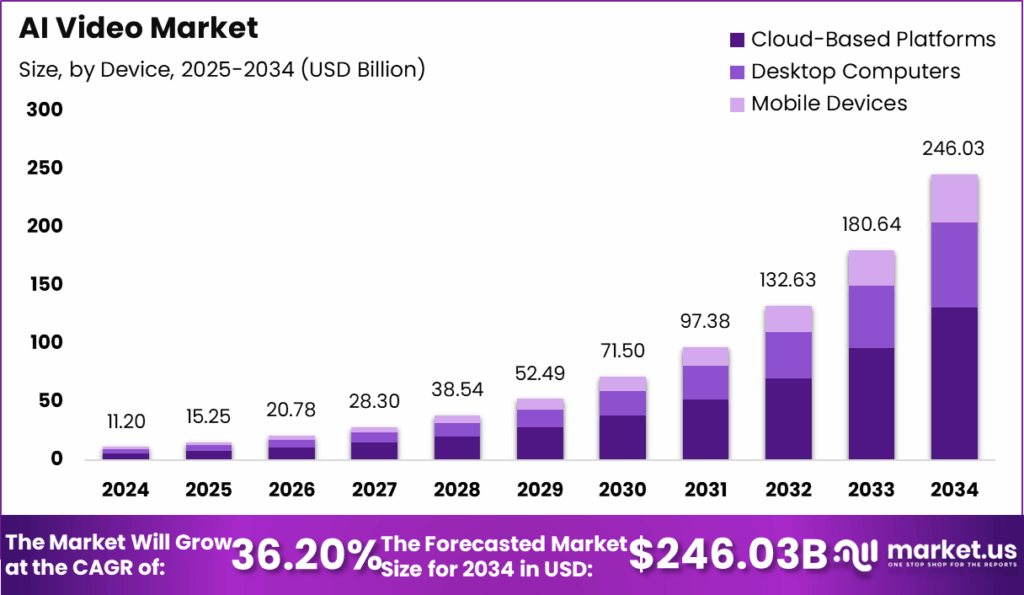
The AI video market hit $18.6 billion in 2026, up from $5.1 billion in 2023 — a 34.2% compound annual growth rate. Venture capital poured $4.7 billion into AI video startups in 2025 alone, a 189% increase from 2023 levels. That level of investment funds rapid capability development. The gap between current limitations and capability in 18 months will be significant.
Three structural shifts the data points toward for 2026 and beyond: AI video localization becoming the default (not the premium) for global campaigns; AI-powered A/B testing of video variants at a price point that makes traditional A/B testing of video economically irrational; and the collapse of the production timeline from days to minutes becoming the expected baseline, not a competitive advantage.
What this means practically: teams that build AI video workflows now will have compounded production efficiency advantages over teams that wait. The learning curve on prompt engineering for video, on integrating these tools into distribution workflows, on building brand guidelines that translate to AI generation — that knowledge accrues. Teams that start in 2027 will be starting from behind.
The non-obvious things that actually move your numbers
After everything above, here are the specific things I’d do differently if starting an AI video marketing program from scratch in mid-2026:
Start with localization, not creation. The highest-ROI first use of AI video for most businesses isn’t creating new content — it’s translating existing high-performing content into 5-10 languages. HeyGen’s dubbing with accurate lip-sync costs $0.12 per second of video, versus $8-15 per second for human dubbing. If you have 20 videos performing well in English, localize them before creating new ones.
Build your brand prompt library before generating anything. Spend a week documenting color codes, font preferences, visual style descriptors, tone words, and negative examples (“never show this kind of imagery”). Feed this into every generation prompt. Teams that skip this spend 3× as long in revision loops.
Use AI A/B testing, not AI creation, as the first proof of value. AI-powered A/B testing of video variations costs 96% less than producing multiple traditional video versions. Run a test on your best-performing video with 3 AI-generated variant hooks. The data will tell you what direction to invest in. This is faster to justify to skeptical stakeholders than “we built a video in 20 minutes.”
Human review is not optional — yet. 72% of teams still require human review before publishing AI video. For brand-sensitive content, that’s the right call. The automation path to zero-review publishing exists for tightly defined, low-stakes content (social clips, internal communications). Don’t try to skip review on anything customer-facing until you’ve run enough content to know your tools’ failure modes.
For practical templates and frameworks for building an AI content workflow — including the brief structure that feeds into AI video tools effectively — the resources at AIEarnerHub cover the setup that precedes the tools themselves.
The constraint nobody talks about
The companies I’ve watched struggle with AI video share one thing: they treat it as a creative tool. The companies seeing measurable engagement lifts treat it as an operational tool. The creative decision — what story to tell, who the audience is, what they should feel and do — still happens at a desk with a human thinking hard. The AI handles execution speed and scale.
If that distinction feels obvious, it isn’t in practice. The seductiveness of watching a 60-second video generate in 27 minutes creates a tendency to skip the 30-minute thinking that should precede it. The engagement data on AI video failing at emotional brand storytelling — that 39-point gap — is mostly a failure of brief quality, not tool quality.
The uncomfortable implication: as AI video tools commoditize production speed for everyone, the competitive advantage shifts entirely to the quality of strategic thinking that precedes generation. The teams winning in 2026 aren’t faster at making videos. They’re clearer about why they’re making them.