You Think You Know AI Link Building.
You Know the Brochure.
A real-pricing, no-hype breakdown of which tools actually move rankings in 2026 — and why the conversation has shifted from PageRank to AI Overview citations without most practitioners noticing.
Here is what the vendor pages will not tell you: Respona doesn’t sell software seats anymore. As of 2026, it pivoted to a pay-per-placement model at $100 per placed link. Every roundup still listing the old $95/month SaaS plan hasn’t updated its content since at least Q4 2024. The category moves faster than most content teams track it, and that lag costs people money.
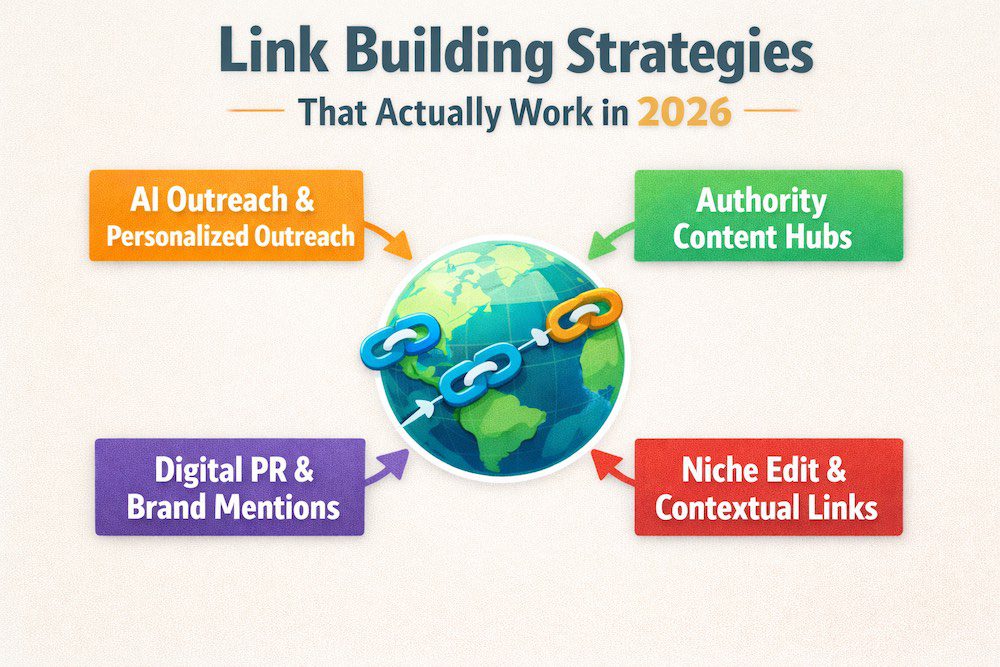
The second thing they won’t tell you: Google’s link weight dropped from 15% to roughly 13% of the algorithm between 2023 and 2025, according to First Page Sage’s algorithm breakdowns. Still top-three, still essential — but more nuanced than raw domain count. And now, simultaneously, backlinks are doing something new: they’re telling AI engines which sources to surface in generated answers. ChatGPT, Perplexity, Google AI Overviews — they all use the web’s link graph to select citations. A link from a well-ranked editorial site doesn’t just pass PageRank anymore. It increases the probability that AI systems mention you when a user asks a relevant question.
That’s the actual landscape. What follows is which tools map to it.
The Question Nobody Asks Before Buying
Every buyer walks into this market asking “which tool is best?” That’s the wrong question by about three steps. The right question is: where does your pipeline actually break? Because the AI link building market in 2026 has quietly fractured into three completely different categories that serve completely different failure modes.
Outreach CRMs (Pitchbox, BuzzStream, Postaga) solve the operational chaos of running dozens of concurrent campaigns — tracking replies, managing follow-ups, preventing duplicate contact. If you already know who to contact and have good content, these work. If you don’t have either, they’re expensive to-do list apps.
Prospecting + placement tools (Ahrefs, INSERT.LINK, Semrush) solve the earlier problem: finding the right targets and vetting their actual quality. Ahrefs’ Content Explorer alone is what most agencies quietly credit for their entire opportunity pipeline. INSERT.LINK runs a different play entirely: it shows you exactly which existing published articles could naturally accommodate your link, with AI-scored contextual relevance and insertion pricing starting at $10 per placement.
AI visibility tools (Ahrefs Brand Radar, Dageno) are the newest category and the one most buyers ignore. They answer: are AI engines already citing your competitors instead of you — and which sites are making that happen? This is where link building strategy in 2026 gets genuinely interesting, and genuinely uncomfortable.
Which category fits your actual problem?
The Tools That Actually Matter in 2026
Pitchbox is the closest thing to industry standard for agencies running link building at volume. Its native integrations with Ahrefs, Semrush, Moz, and Majestic let you filter prospects by actual domain metrics before a single email goes out — something that sounds basic until you’ve spent three days cleaning a garbage prospect list by hand.
One honest note: the $165/month Pro plan is effectively a trial. Most agencies operating above 50 concurrent prospects need the $420 Advanced tier. The pricing restructure happened in 2025 and most reviews haven’t caught up.
Postaga is what you reach for when you want everything in one dashboard and don’t want to stitch together three tools. It reads your prospects’ actual website content, extracts relevant context, and uses that to personalize outreach emails — not just inserting a first name into a template, but referencing what the site actually writes about.
The honest comparison: Postaga at $84/month gives you roughly 23.8 contacts per dollar. NinjaOutreach’s cheapest plan gives you 0.67 per dollar. That math matters when you’re running moderate volume. The limitation worth knowing: no native Ahrefs or Semrush integration. You’re importing your prospect lists manually, which adds friction if your research lives in those tools.
BuzzStream is not a flashy tool. It won’t generate AI-written emails at scale or predict your reply rate. What it does: tracks every touchpoint with every prospect across your entire team, indexes contact data across social and web sources, and keeps campaigns from collapsing into shared inbox chaos when someone leaves the team.
It’s the right tool for PR-flavored link building where the relationship with a journalist or editor is the actual asset. It’s the wrong tool if you’re running cold-volume outreach to 500 webmasters a month.
INSERT.LINK runs a different model than outreach CRMs. Instead of helping you email webmasters, it shows you thousands of publisher pages where your target anchor text already appears naturally — and lets you purchase insertion into that existing content. The AI scores relevance, shows you exactly where in the article your link would appear, and lets you filter by DR, organic traffic, referring domains, and keyword rankings before spending a penny.
The speed proposition is real: guest posting can take three to six weeks from prospecting to publication. A niche edit through INSERT.LINK can go live in 72 hours because the content already exists. The upcoming listicle placements for AI Overview optimization are worth watching — that’s the platform explicitly acknowledging the dual-signal reality of 2026 link building.
Brand Radar is the tool that makes this conversation about 2026 rather than 2022. It shows you which domains are being cited by large language models when users ask questions in your niche — and that directly tells you where to focus link acquisition. If ChatGPT consistently cites three of your competitors but not you when someone asks about your product category, you now know which specific publishers to target with outreach.
That said, one independent review from Dageno.ai in April 2026 flagged a significant data accuracy issue: Brand Radar reported only 3 ChatGPT mentions for a tested brand when the actual count was 123 — a 97.5% discrepancy. Ahrefs uses a keyword-first methodology rather than prompt-level tracking, which creates fundamental mismatches with how AI search actually works. The product is in active development (YouTube, TikTok, and Reddit tracking were added in recent months), but treat its numbers as directional rather than precise until methodology improves.
The Harder Question Nobody Is Asking
Most practitioners have accepted the premise that AI link building means automating outreach. That’s the partial answer. The harder question underneath it:
If a link from an authoritative, crawlable editorial site now earns you both a Google ranking signal and increased probability of AI citation — are you actually tracking both outcomes? Or are you measuring success by link count and call it a day?
The Ahrefs Brand Radar data question is instructive here. Even with its current accuracy limitations, it surfaces something important: the sites that LLMs most frequently cite in your category are your most valuable link targets. Not because their DR is highest. Because their content is what the models were trained on and continue to crawl. A placement on a site that blocks AI crawlers still helps Google rankings but contributes zero to AI citation potential. That split didn’t exist two years ago.
“A placement on a site that blocks AI crawlers still helps Google rankings, but you’re leaving the AI citation potential on the table entirely.”
The Honest Comparison Table
| Tool | Entry Price | Primary Use Case | AI Personalization | SEO Tool Integration | Best Fit |
|---|---|---|---|---|---|
| Pitchbox | $165/mo $420 = real baseline | High-volume agency outreach | Context-aware email generation | Ahrefs, Semrush, Moz, Majestic | Agencies, 10+ seats |
| Postaga | $84/mo annual | All-in-one outreach CRM | Site content extraction + AI copy | None native | Solo SEOs, small agencies BEST VALUE |
| BuzzStream | $24/mo | Relationship & PR outreach | Limited | Limited | Teams valuing long-term relationships |
| Respona | $100/link placed | Managed link acquisition | Managed by Respona team | Ahrefs, Semrush (legacy) | Agencies buying links at scale |
| INSERT.LINK | From $10/insertion | Niche edits marketplace | AI relevance scoring | Filters by DR/DA/traffic | Fast contextual placements |
| Ahrefs (+ Brand Radar) | $129/mo | Research + AI visibility | Prospecting intelligence | Native ecosystem | Any team — non-negotiable foundation ESSENTIAL |
| Semrush Link Building | Bundled in Semrush plans | Outreach + analytics combo | Moderate | Native | Teams already in Semrush ecosystem |
The Penalties Are Real. SpamBrain Is Not Playing.
SpamBrain now detects paid link schemes, private blog networks, and unnatural anchor patterns with considerably more accuracy than it did in 2022. A manual penalty in 2026 is not a week-long inconvenience — recovery timelines measured in months are common. AI tools do not change this. An automated outreach campaign sending 800 identical emails with exact-match anchors is still spam, whether a GPT wrapper wrote the personalization intro or you did.
What actually changed in Google’s assessment is the pattern recognition, not the standard. Links help when they reflect real editorial judgment. The safest test: if the editor who published the piece would be embarrassed to tell colleagues they accepted it, the link is at risk. That’s not a rule change — it’s just that enforcement now operates at higher fidelity.
The Ahrefs algorithm weight data is worth sitting with: backlinks dropped from 15% to 13% of the ranking algorithm between 2023 and 2025. That’s not collapse, it’s recalibration. Content and user experience absorbed what links gave up. The number one result still has 3.8 times more backlinks than results 2–10. The signal is still load-bearing. It’s just no longer sufficient on its own.
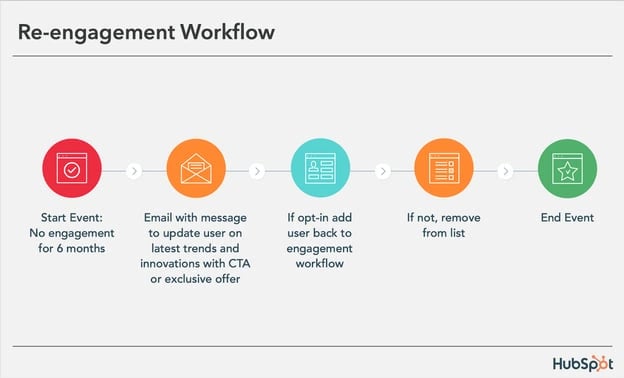
Cold email delivery is essentially a solved problem. The actual bottleneck is what one r/bigseo thread summarized accurately: parsing 200 webmaster replies a week and negotiating each one. The tools that help here — AI-drafted negotiation replies, automated follow-up logic, CRM tracking of every touchpoint — are where 2026’s competitive edge sits, not in the initial send.
What I No Longer Recommend — and Why
Lemlist for link building. It’s a strong tool for sales outreach and SDR teams. For link building specifically, the LinkedIn + email multi-channel model doesn’t map well to webmaster relationships, and the pricing compounds fast in a use case that doesn’t need its most differentiated features. If your link building looks like a sales motion, Lemlist works. Most link building doesn’t.
Spinning up a high-volume cold email tool as your primary link building platform. Smartlead, Instantly, Mailshake — excellent delivery infrastructure, weak for the actual complexity of link negotiation. You will burn sender reputation sending 800 webmaster emails from a domain you only warmed for two weeks. The tools designed for B2B sales sequences are not designed for the relationship arc of editorial link acquisition, which runs on 30–60 day timelines, not 5-day SDR cycles.
The DIY two-tool stack — a cold email platform plus a contact finder — does outperform all-in-one tools at the same price point, with one condition: you have to be willing to spend the extra 30 minutes per campaign that the convenience layer normally absorbs. Most practitioners aren’t, which is fine. That’s why Postaga exists and charges $84/month for it.
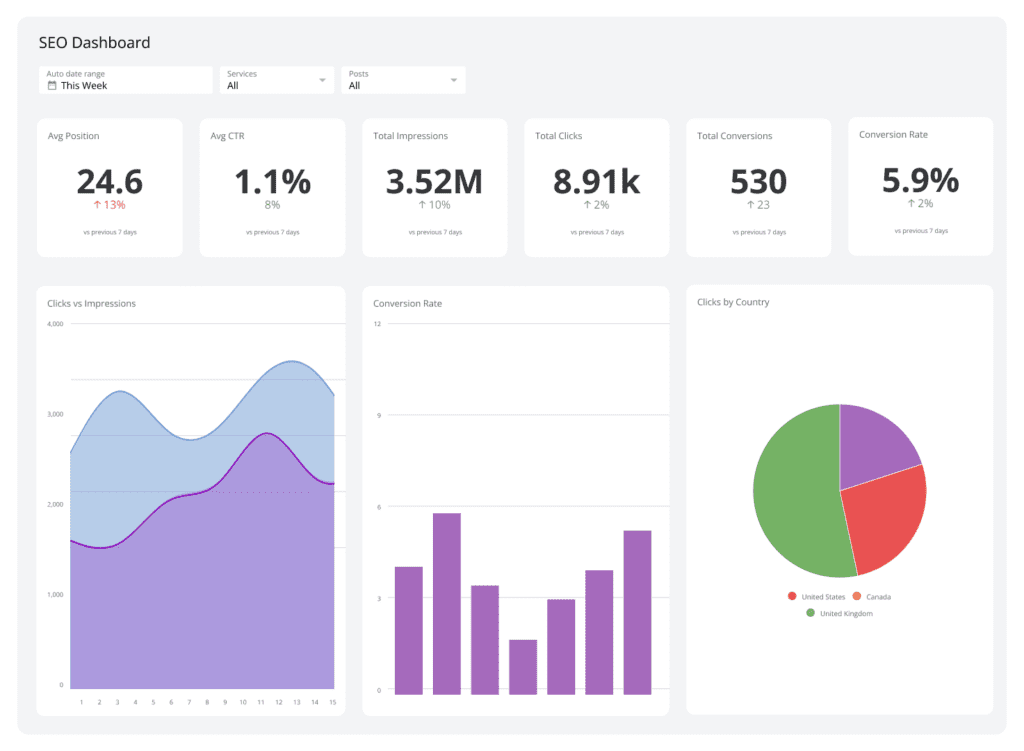
Steady month-over-month growth in referring domains from relevant, authoritative, AI-crawlable sites — paired with organic traffic correlation in Google Search Console. Link count is a vanity metric in 2026. Referring domain growth from the right sources is a business signal. The distinction matters more than it did two years ago.
Everything in this article holds — except when your target publisher blocks AI crawlers. Which, as of mid-2026, includes a meaningful percentage of high-DR sites that implemented crawler restrictions after the AI scraping debates of 2024. You can earn a solid PageRank signal from those placements. You get zero AI citation upside. Nobody is tracking that split systematically yet. That’s either your edge or your blind spot, depending on whether you bother checking.
Pricing data verified from vendor pages and independent reviews as of June 2026. Respona’s pivot to managed service confirmed across multiple sources. Ahrefs Brand Radar accuracy limitations sourced from Dageno.ai’s independent April 2026 review. All pricing subject to change; verify before committing.